
Is good olive oil always bitter? Myths and truth about polyphenols.
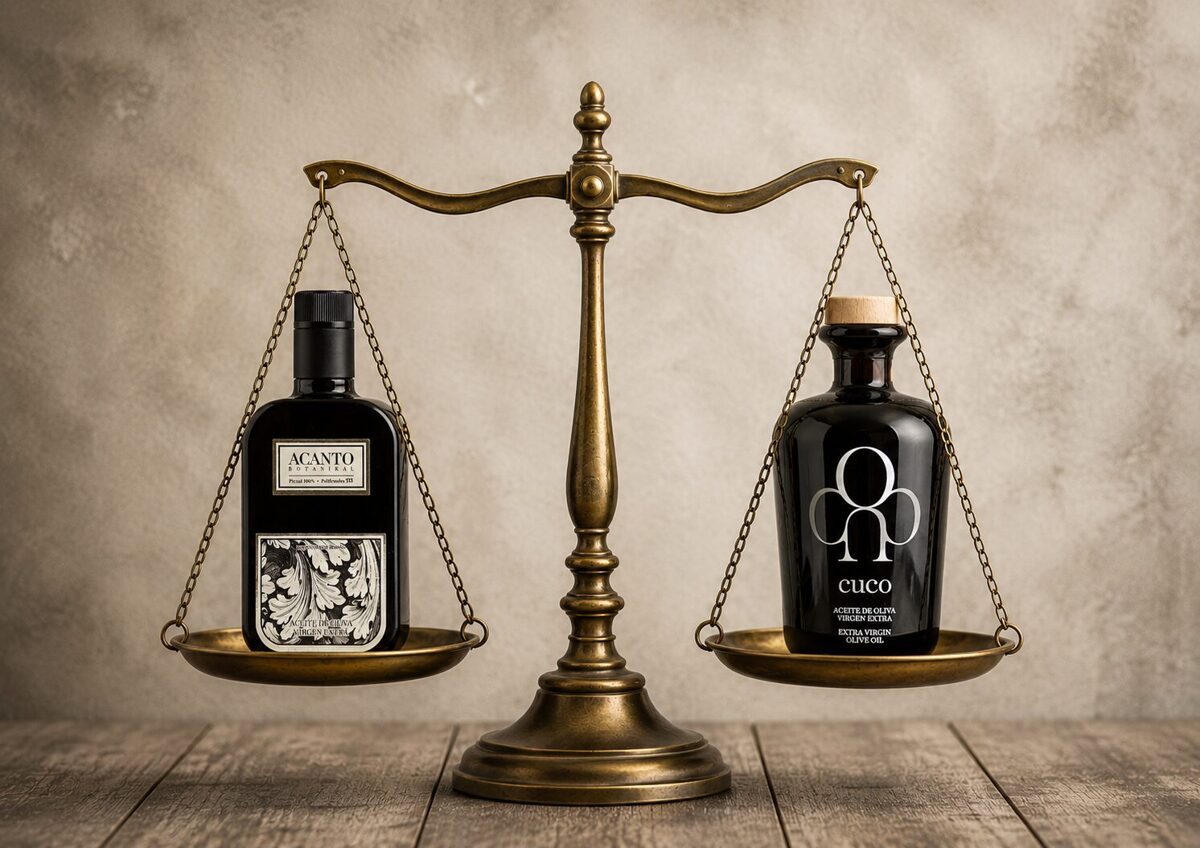
“Why is olive oil bitter? Are they all like that?”
“I don’t like bitter olive oil. The bitterness dominates the food. Which olive oil should I choose?”
“Once I bought an expensive olive oil, but it was bitter. Olive oil probably isn’t for me.”
We hear such questions and conclusions from people every day.
It’s no secret that many people don’t take to olive oil because their first experience was with a bitter, pungent, or even throat-burning olive oil. “I don’t like olive oil because they’re all bitter,” people conclude.
So let’s take a closer look at the origin of this bitterness and offer advice on how to choose an olive oil that suits you.
What causes bitterness?
The bitterness of olive oil is mainly caused by natural antioxidants—polyphenols—found in olives. The earlier the olives are harvested, the more polyphenols are retained in the oil, and the more pronounced the bitterness and pungency usually are.
However, bitterness is influenced not only by the amount of polyphenols. The olive variety also matters a lot. For example, the Picual variety is genetically characterized by a higher polyphenol potential, so its oils are often distinctly more bitter and pungent, whereas Arbequina, Empeltre, Royeta, or Royal are usually milder even when they are early-harvest, high-quality extra virgin olive oils.
A slight bitterness indicates a fresh, high-quality olive oil. But that doesn’t mean all good extra virgin olive oils must be equally bitter.
Does good olive oil have to be bitter?
Doctors and nutrition specialists are increasingly paying attention to olive oils with a high polyphenol content, because studies show these compounds may provide additional health benefits.
But a high polyphenol content often means more pronounced bitterness and pungency, which not everyone likes.
What if you don’t like bitter olive oils, even though doctors and nutrition specialists recommend using exactly those?
Let’s remember that olive oil is not a medicine or a dietary supplement. Olive oil is a food product and one of the most important components of the Mediterranean diet.
The amount of polyphenols is an important indicator, but let’s not forget that olive oil is also rich in monounsaturated fatty acids, especially oleic acid, and it also contains vitamin E, squalene, and other antioxidants.
Olive oil’s main role is to complement the taste of food and to be part of a healthy diet that we enjoy with pleasure. If you don’t like very bitter olive oils, it doesn’t mean you don’t understand olive oil—perhaps you simply haven’t found your variety yet.
The amount of polyphenols is an important indicator of olive oil quality, but it is not the only one.
There are many excellent, milder olive oils in the world. The Arbequina, Hojiblanca, Empeltre, Royal, and other varieties available at the Marbona store represent different levels of flavor intensity—from milder to medium-intense—and they are not worse just because they are not as bitter as Picual. Moreover, many of the milder varieties are also rich in oleic acid and other valuable nutrients, so a lower polyphenol content does not mean such olive oils are inferior.
A good olive oil does not have to be very intense and bitter. A good olive oil can also be mild, slightly sweet, and harmonious if it is fresh and free of defects.
A high polyphenol level is a valuable characteristic of olive oil, but it is not the only one. Taste, aroma, freshness, variety, and the balance between different flavor notes are just as important. The world of olive oil is diverse, and there is room in it both for intense Picual oils and for milder Arbequina, Empeltre, or Royal oils. It is precisely this diversity that makes the world of olive oil so interesting. In real life, people in Spain, Greece, and Italy use very different olive oils and enjoy them precisely because of their differences. And they certainly don’t even think on a daily basis about how many polyphenols their olive oil contains.
And remember: the best olive oil is not the one you use out of obligation. The best olive oil is the one you use every day with pleasure. It can be distinctly peppery and very rich in polyphenols, or mild and harmonious—the main thing is that it becomes part of your everyday life.